

Information Security Management
Information Security Framework and Policy
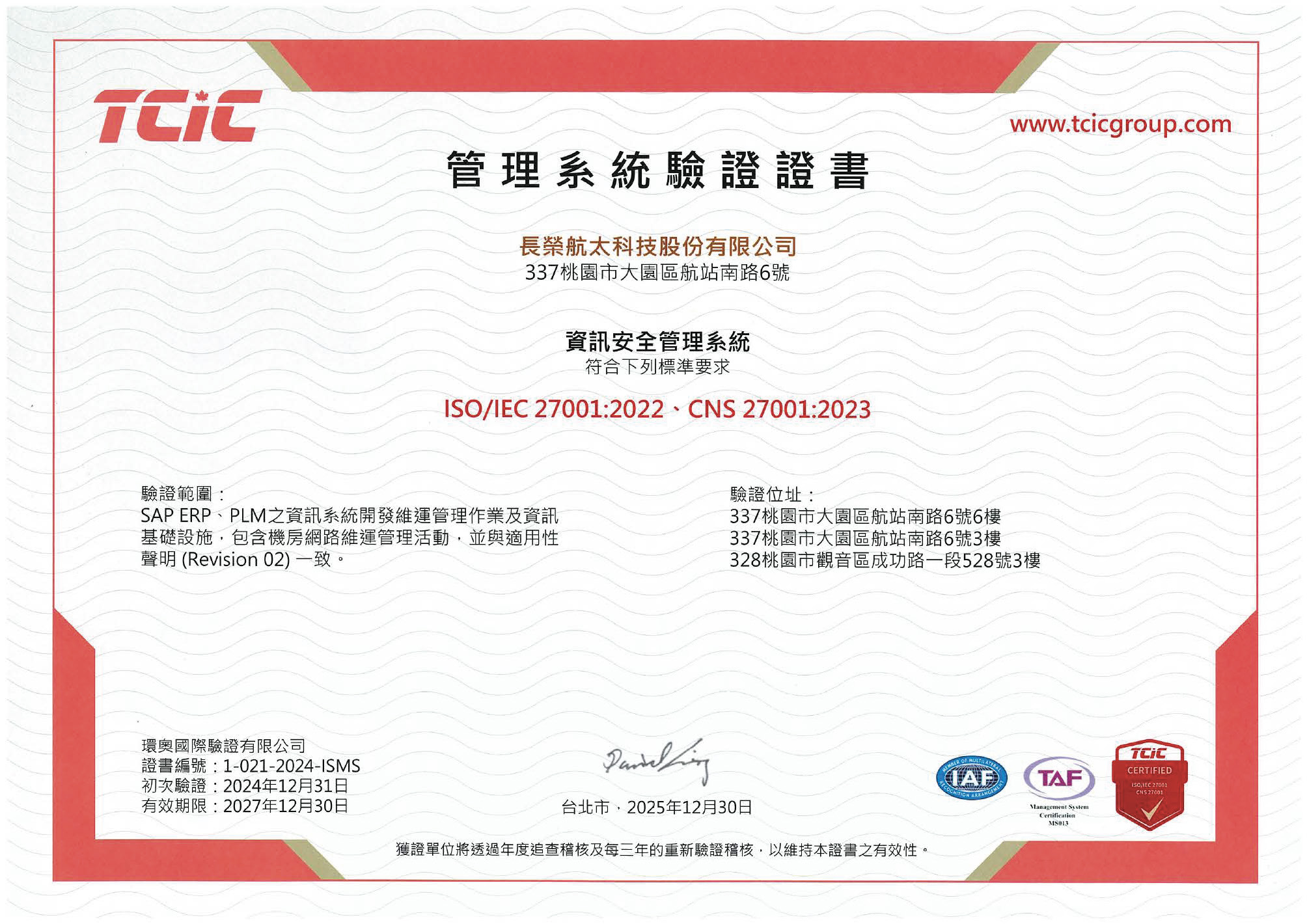
In recent years, global cyberattack activities have become increasingly prevalent, and information security threats have continued to emerge. These not only pose a risk of significant financial loss to enterprises but can also cause irreparable damage to their reputations. To address information security risks, EGAT has established a comprehensive information security management system. In addition to implementing the ISO 27001 information security management system, the company underwent a recertification process and an external audit in 2025. In the same year, it developed an information asset inventory and risk assessment management system to monitor the use of company terminals and block non-compliant software.
EGAT set up the Information Security Management Division, and cybersecurity governance and related decision-making across the company are directed by the designated information security executive. EGAT also established the Information Security Promotion Committee, chaired by the President, to ensure top-down collaboration and clear delegation of authority and responsibility. This structure reinforces information security awareness among all employees and ensures the realization of information security objectives. At the policy level, EGAT adheres to the principles of ISO 27001, formalizing the information security management system through documentation and establishing the Information Security Policy and Information Security Management Manual as the Company’s core references for information security management practices. At the management level, EGAT set measurable information security objectives, conducted regular assessments of information security performance, and carried out continuous improvements through mechanisms such as internal and external audits, corrective management, and management review meetings, ensuring the effectiveness of information security management.
Investment in Information Security Management
| Item | Concrete Management Measures |
|---|---|
| Item Information Security Measurement | Concrete Management Measures
|
| Item Information Security Incident Management | Concrete Management Measures
|
| Item Business Continuity Management | Concrete Management Measures
|
| Item Network Security | Concrete Management Measures
|
| Item Device Security | Concrete Management Measures
|
| Item Application System Security | Concrete Management Measures
|
| Item Data Protection Security | Concrete Management Measures
|
| Item Contingency and Recovery Mechanism | Concrete Management Measures
|
Information Security Training
In 2025, EGAT conducted the following information security training programs, offering tailored courses for different employee groups to enhance information security awareness.
| Training Topic | Training Description | Resources Invested |
|---|---|---|
| Training Topic Information Security Awareness Campaign | Training Description Raised awareness of information security risks among all employees to protect the EGAT’s digital assets and strengthen cybersecurity resilience. | Resources Invested 3,494 persons |
| Training Topic Social Engineering Defense | Training Description Enhanced employees’ awareness and vigilance against phishing emails and social engineering attacks. | Resources Invested 3,383 persons |
| Training Topic Social Engineering Protection Training Course | Training Description Introduce common social engineering techniques and phishing email types to high-risk users to enhance employees' cybersecurity awareness. | Resources Invested 594 hours |
Information Security Reporting Channels
Information security incident reporting procedures for EGAT employees are posted on the Company's internal portal. Clear reporting guidelines are provided to ensure that employees can report and address information security risks in a timely manner.
Personal Data Protection
To protect customer rights and ensure compliance with data protection laws and regulations, as well as to protect the personal data held by the Company from being stolen, altered, damaged, destroyed, or leaked, EGAT has established a “Personal Data File Security Maintenance Plan” outlining operational procedures for personal data protection in detail. In 2025, EGAT experienced no cybersecurity or privacy-related complaints involving data breaches, violations of customer privacy, or loss of customer data, nor were there any instances of data leakage.