Circular Economy and Waste Management
To implement the principles of a circular economy and reduce the environmental impact of waste, EGAT properly collects metal scraps generated during its manufacturing processes and sells them to domestic and international recycling companies. These materials are then smelted and repurposed into other products, maximizing the efficiency of resource reuse. Regarding plant management, the Company handles waste in accordance with regulations, promotes the integration of environmental protection into daily operations, and encourages employees to participate in resource recycling and waste reduction initiatives. In the future, the Company will continue to utilize process optimization, technological advancements, and the ongoing promotion of material reuse to minimize waste generation at the source, thereby enhancing the environmental efficiency of our overall operations.
To gain a more comprehensive understanding of waste generation within its operations, EGAT conducts in-depth inventories across the entire value chain, from upstream suppliers to its own operations and downstream activities. The volume of various waste types is tracked using weighing records from outsourced disposal services, and effective management mechanisms have been established and implemented. At the upstream supplier stage, the primary waste consists of packaging materials such as outer boxes and protective films. Waste generated during the operational stage includes hazardous and general waste, such as solvent waste, paint and cleaning agent waste containing heavy metals, lithium batteries, and metal scraps, resulting from aircraft maintenance and aerospace parts manufacturing. The Company has established waste management processes and response measures to ensure that all types of waste are properly sorted, recycled, and treated, thereby minimizing the environmental impact of waste.
| Waste Attribute Category | 2023 | 2024 | 2025 | ||||
|---|---|---|---|---|---|---|---|
| Onsite | Offsite | Onsite | Offsite | Onsite | Offsite | ||
| Non-hazardous waste (metric tons) | Disposal transfer (Regeneration and reuse) | 0.00 | 723.01 | 0.00 | 731.95 | 0.00 | 742.74 |
| Direct disposal (Incineration: energy recovery) | 0.00 | 0.00 | 0.00 | 781.27 | 0.00 | 952.22 | |
| Direct disposal (Incineration, landfill, other) | 0.00 | 631.05 | 0.00 | 93.92 | 0.00 | 94.66 | |
| Hazardous business waste (metric tons) | Disposal transfer (Regeneration and reuse) | 0.00 | 0.00 | 0.00 | 0.00 | 0.00 | 0.00 |
| Direct disposal (Incineration: energy recovery) | 0.00 | 0.00 | 0.00 | 171.93 | 0.00 | 182.41 | |
| Direct disposal (Incineration, landfill, other) | 0.00 | 186.76 | 0.00 | 69.20 | 0.00 | 72.16 | |
| Total Amount of Waste Collected for Disposal (metric tons) | 0.00 | 1,540.83 | 0.00 | 1,848.27 | 0.00 | 2,044.19 | |
2025 Circular Economy Measures
Metal Scrap and Metal Waste Recycling
2025 Results
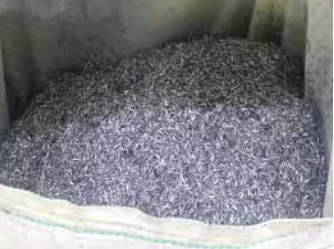
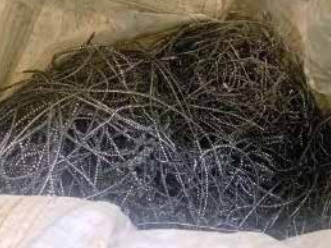
- Guanyin Plant recycles various types of metal scraps, including aluminum, nickel, titanium, and steel alloys, and sells them to recycling companies. These recycling companies then export the scrap to raw material refineries, where it is re-melted and reintroduced into the metal raw material market, contributing to the development of a circular economy. In 2025, a total of 84.87 metric tons of metal waste were recovered, generating revenue benefits of 7.80 million NT dollars for EGAT.
- Dayuan Plant recycles various processed metals and other waste materials, which are then handed over to recycling companies. In 2025, a total of 8.35 metric tons of processed metals and other waste materials were recovered.