

Talent Cultivation and Development
Competency Development
All new employees of EGAT must undergo new employee training. The HR Division, Training Department, and respective departments provide various types of training to new hires upon their arrival, aiming to familiarize them with Company regulations, job-specific competencies, and departmental integration training in the shortest possible time. The common training system is also conducted via e-learning for regulatory compliance or Company-wide course requirements, allowing relevant departments or all employees with competency needs to receive timely training in a convenient manner. In addition, a re-employment system is open for employees who have reached retirement age or have applied for retirement or resigned on their own and are assigned to appropriate positions based on their skills and suitability, so that they can leverage their expertise and experience.
In addition to the general training for new employees and the common training system, EGAT has three comprehensive training systems: the Professional Training System, the Quality Capability Training System, and the Leadership Management System. These systems cater to various aircraft maintenance requirements, certification needs, project development, management competencies, and company regulations, aiming to assist employees in developing their skills and maximizing their effectiveness in their roles. The detailed components, frequency, and benefits of these three major training systems are outlined below:
Professional Training System
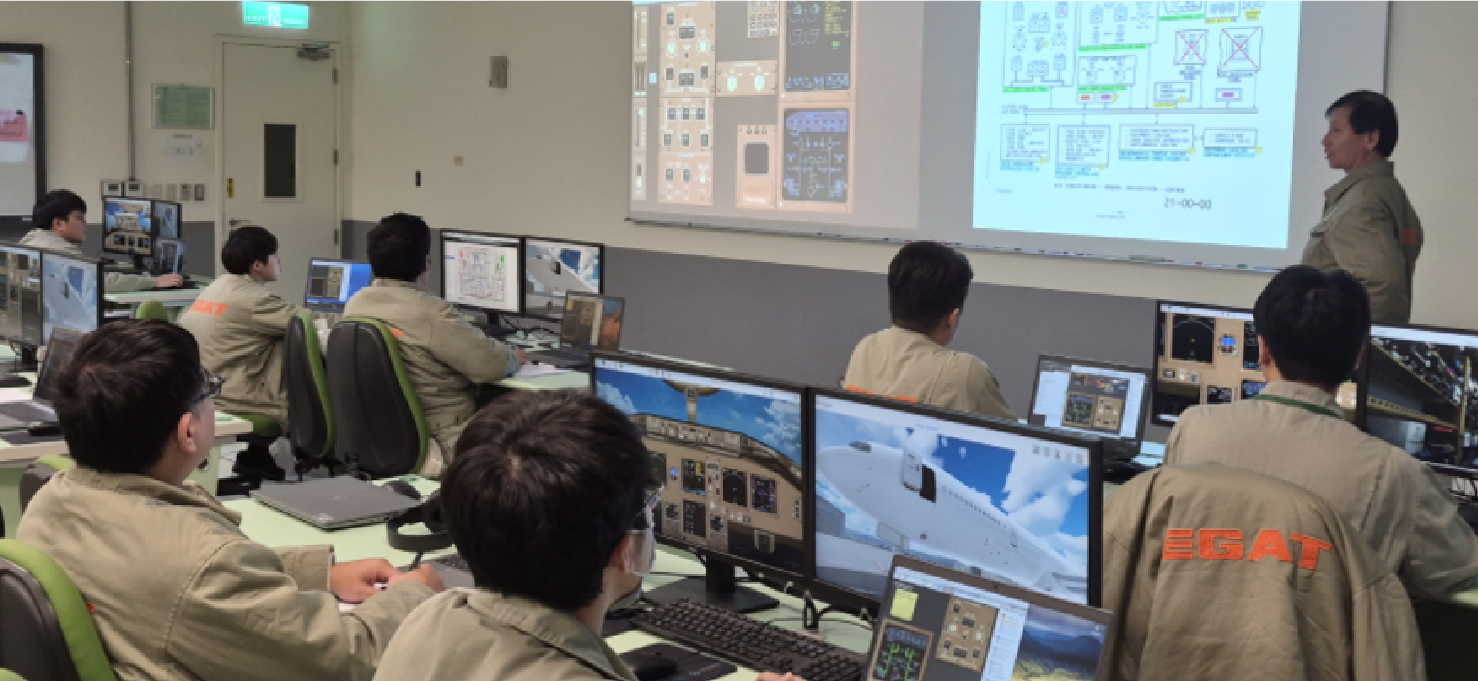
Various Aircraft Type Training
| Course Description | Maintenance personnel from different departments undergo training courses planned by the Training Department to increase the number of authorized personnel for each aircraft type, facilitating on-site operations. |
|---|---|
| Frequency/ Number of Sessions | EGAT conducts annual training programs in accordance with its yearly training plan. |
| Implementation | Courses are arranged by the Training Department, with maintenance personnel enrolling and attending. |
| Course Benefits | Training courses are tailored based on departmental maintenance capacity requirements, enhancing personnel training completion. |
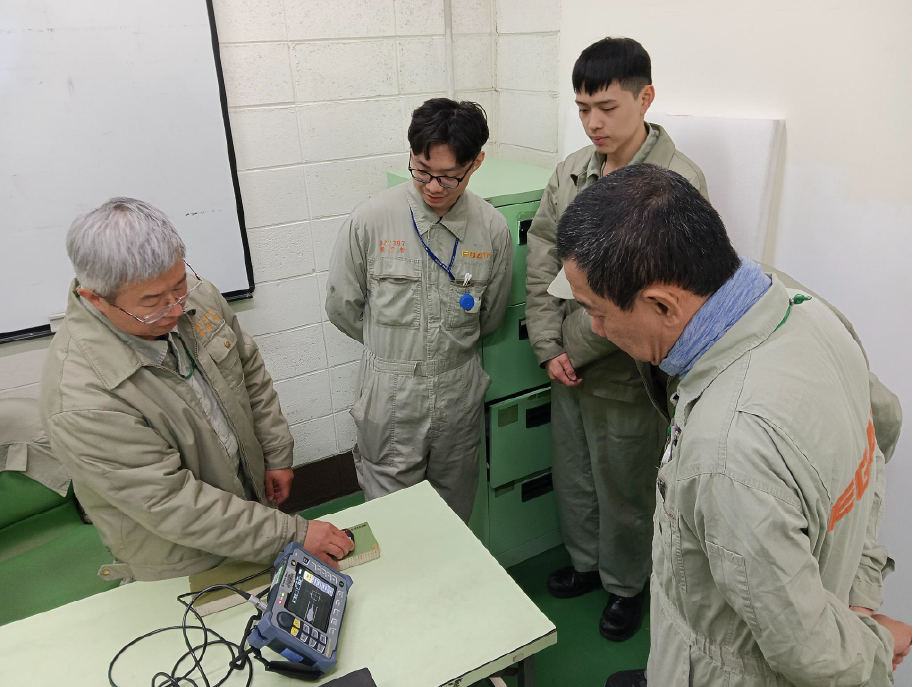
Composite Material Ultrasonic Testing Practical Training
| Course Description | Non-destructive testing (NDT) personnel from the Powerplant Maintenance Department participate to understand ultrasonic testing techniques for composite materials. |
|---|---|
| Frequency/ Number of Sessions | Organized the event twice in 2025 on an ad hoc basis |
| Implementation | 100% execution rate |
| Course Benefits | Participants meet the occupational qualifications for NDT testing personnel. |
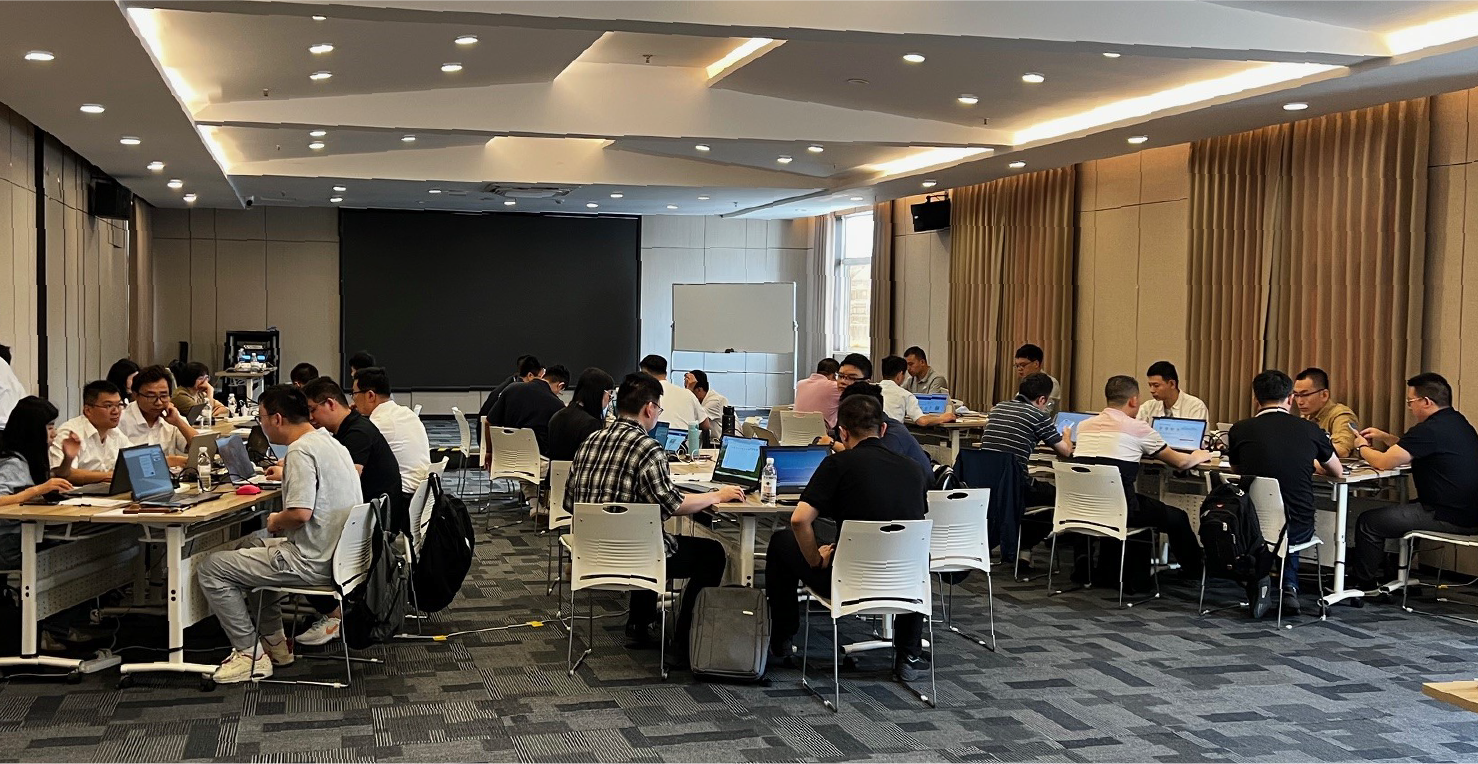
Structural Training
| Course Description | Attended the Boeing Structural Repair for Engineers - Part I/Part II in Seattle to enhance personnel's structural repair design capabilities. Traveled to China to attend training seminars hosted by Boeing to enhance personnel's professional maintenance knowledge. |
|---|---|
| Frequency/ Number of Sessions | Training sessions are arranged annually based on curriculum requirements |
| Implementation | 100% execution rate |
| Course Benefits | Enhance personnel's airframe structural repair design capabilities and professional maintenance knowledge. |
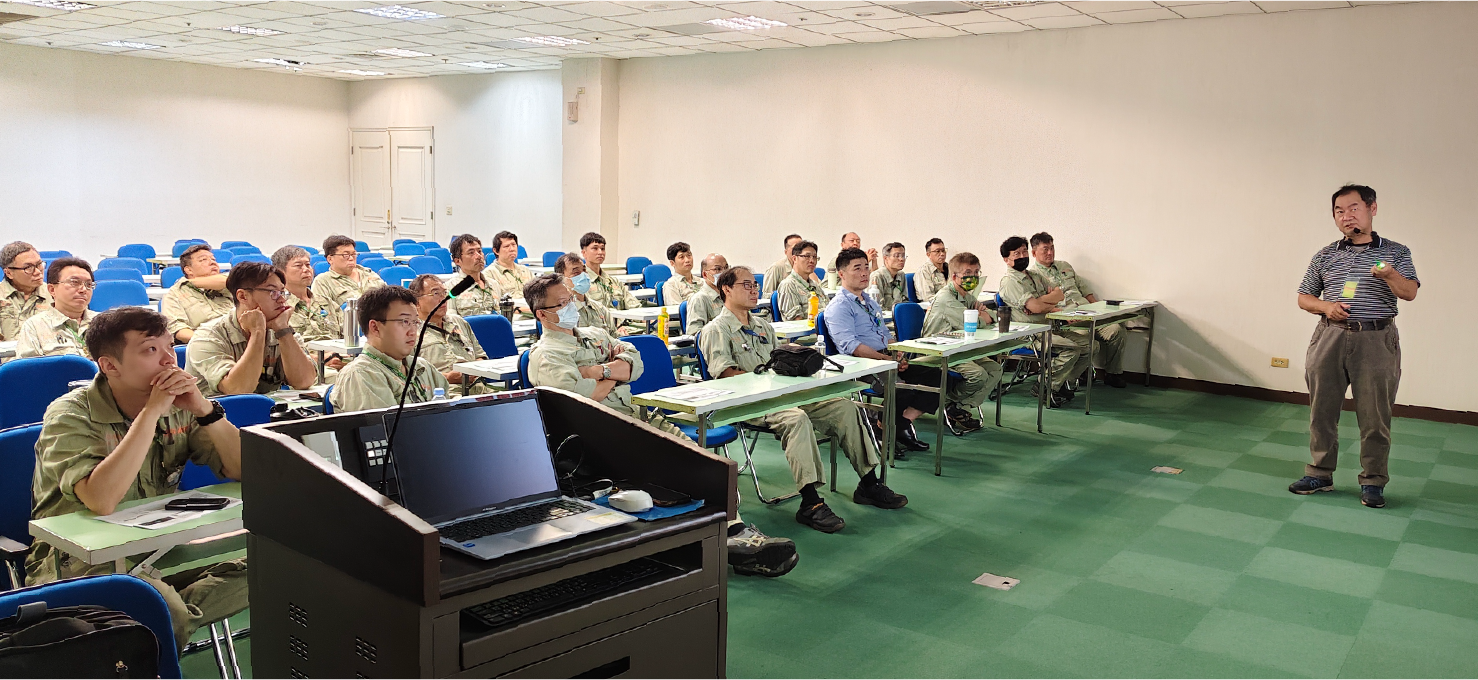
Other Departmental Specialized Training
| Course Description | Maintenance personnel from relevant departments participate in specialized training courses as per operational requirements to enhance their professional competencies. |
|---|---|
| Frequency/ Number of Sessions | Scheduled annually based on departmental needs |
| Implementation | Employees are dispatched for training according to annual plans |
| Course Benefits | Completion of training enhances professional competence, meets regulatory requirements, and improves on-site work proficiency. |
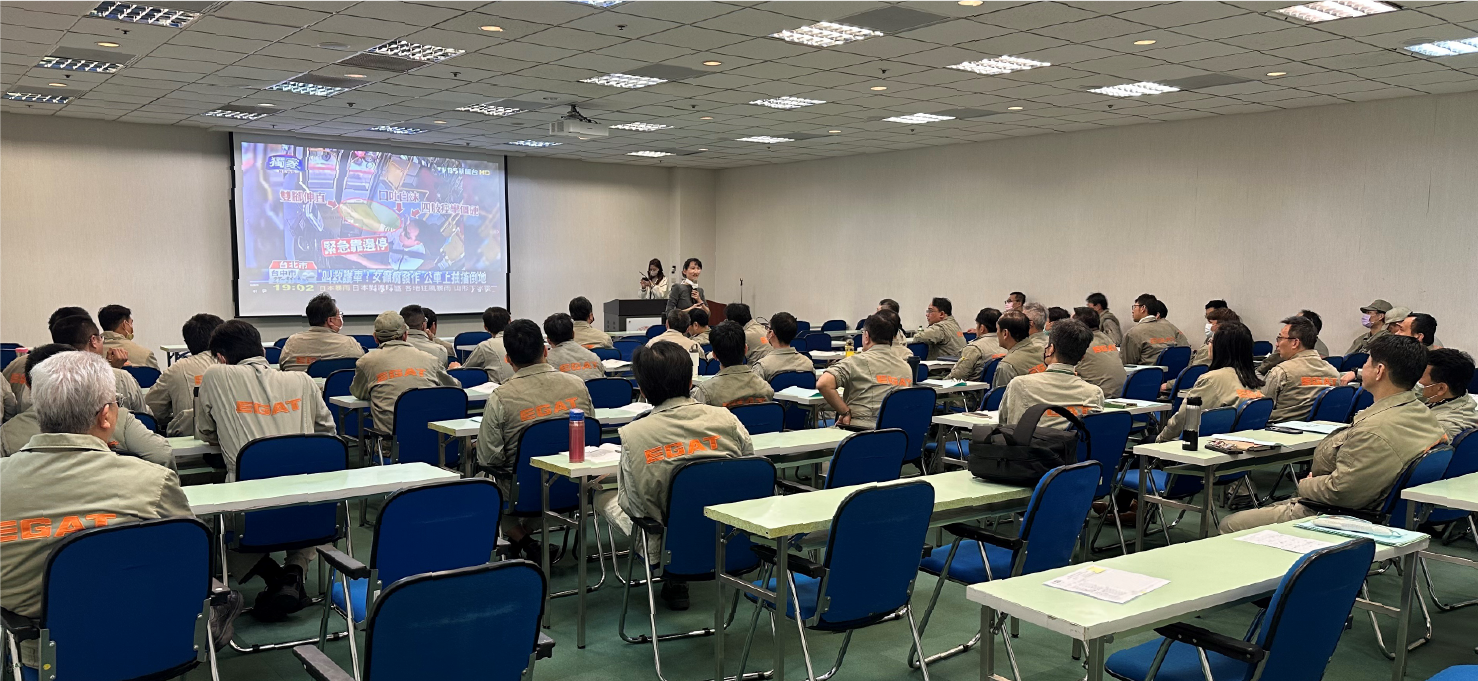
Quality Competency Training System
Training according to the functions of each department and office
| Course Description | Each department cultivates the necessary capabilities required for executing tasks based on project development needs. In order to comply with the relevant laws and regulations or the requirements of the competent authorities, and for the purpose of professional teacher training or qualification maintenance, relevant courses are arranged. |
|---|---|
| Frequency/ Number of Sessions | Scheduled annually based on departmental needs |
| Implementation | Employees are dispatched for training according to annual plans |
| Course Benefits | Upon completion of training, personnel from each department execute their respective tasks according to the training objectives. |
Leadership Management System
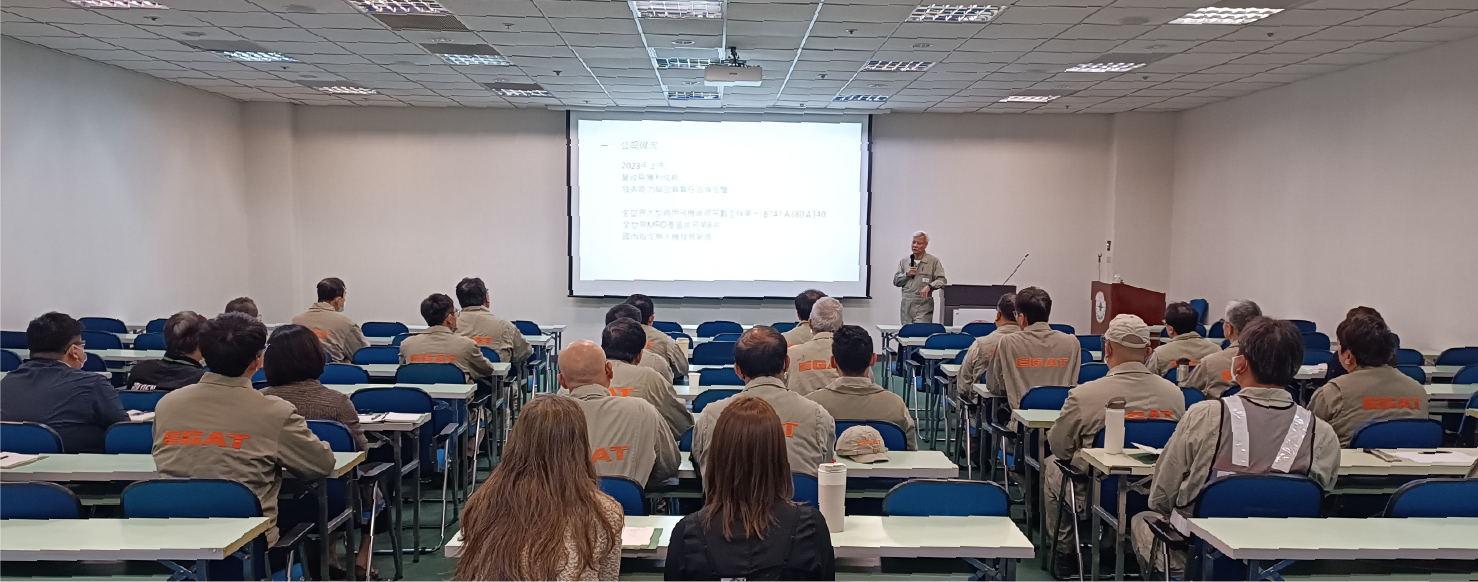
Supervisor Training
| Course Description | The HR Division arranges training courses for promoted junior managers to enhance their management functions. |
|---|---|
| Frequency/ Number of Sessions | 1 time/year |
| Implementation | Good execution rate |
| Course Benefits | Effective. The supervisors have a clearer understanding of their duties after promotion. |
Employee Training Hours
In 2025, the total training hours for employees reached 239,565.96 hours, with an average of approximately 73.55 hours per person. The average training hours for male employees were 76.74 hours, while for female employees, it was 28 hours. All employees, regardless of their job grade, received comprehensive training. General employees, including manager level and below, received an average of 75.68 hours of training, while senior and top management received 33.49 and 6.76 hours of training, respectively.
Employee Training Hours by Gender
| Item | Male | Female | Total |
|---|---|---|---|
| Total Training Hours | 233,601.19 | 5,964.77 | 239,565.96 |
| Total number of employees | 3,044 | 213 | 3,257 |
| Average hours of training per employee | 76.74 | 28.00 | 73.55 |
Employee Training Hours by Rank
| Item | Top Management | Senior Management | General Employees | Total |
|---|---|---|---|---|
| Total Training Hours | 223.24 | 3,683.89 | 235,658.83 | 239,565.96 |
| Total Number of Employees | 33 | 110 | 3,114 | 3,257 |
| Average Hours of Training per Employee | 6.76 | 33.49 | 75.68 | 73.55 |
Note: The data statistics are based on the number of employees as of December 31, 2025. Top management is defined as vice president or above. Senior management is defined as junior vice president. General employees are defined as managers and below (inclusive).
Performance Evaluation
EGAT has established an internal “Evaluation Procedure” that conducts evaluations in March and September every year. Supervisors evaluate the performance and attendance of their subordinates and use this as a basis for promotions, year-end bonuses, salary adjustments, transfers, and workforce training. Different evaluation items are designed for supervisors and non-supervisors. In order to maintain fairness, each employee is independently evaluated by two or more supervisors to avoid subjective influence on performance. Employees with lower rankings or poor attendance undergo interviews to facilitate two-way communication, understand their situations, provide assistance, and regularly monitor subsequent performance to address employee issues and enhance job performance. In 2025, all employees underwent regular appraisals, enabling them to regularly assess their job performance and adjust their work patterns and pace accordingly.